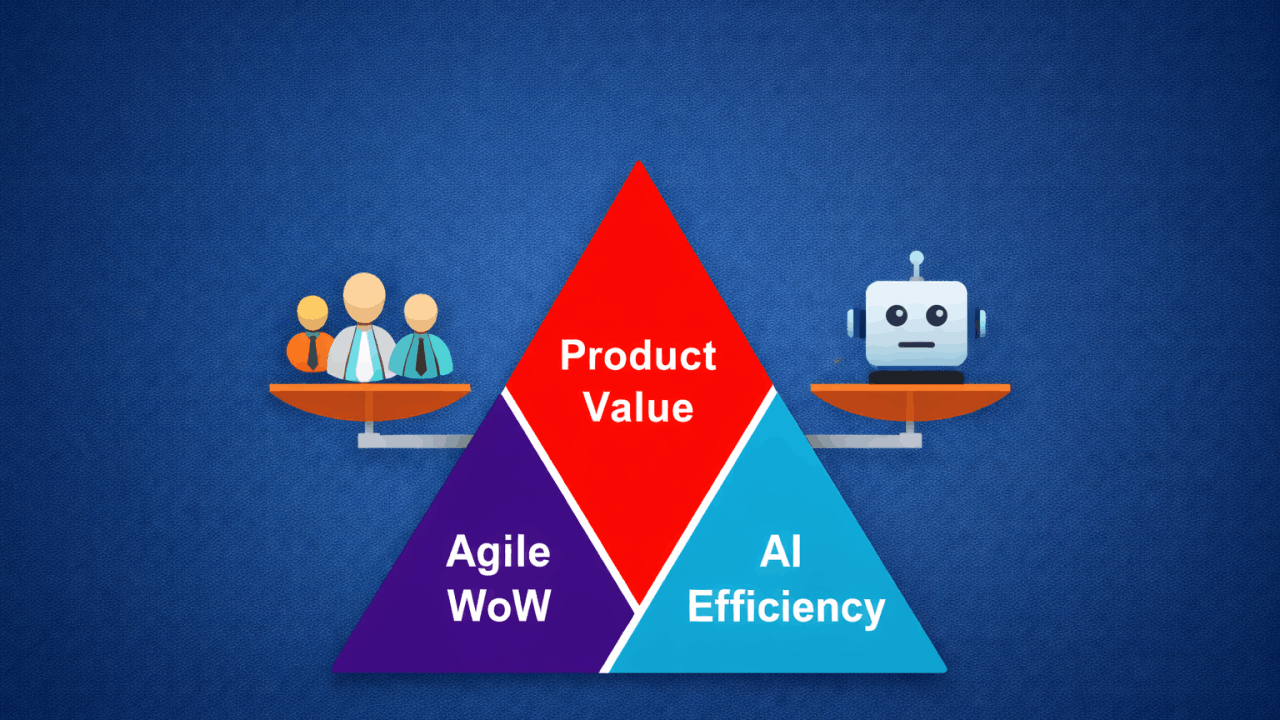
Agile Transformation: The Two Missing Pieces
Many Agile transformation initiatives focus on empowerment, self-management, T-shaped skills, and Theory Y leadership. Organizations invest heavily in Agile training, frameworks, and cross-functional teams. These internal team factors are important, but they are not enough.
Many transformations still struggle because two critical elements are often overlooked: Organizational Performance Evaluation and Customer Responsible Feedback.
Top-Down Factor: Team-Based Performance Evaluation
Agile promotes strong team ownership and collaboration. Teams deliver product increments together at the end of each sprint. However, many organizations still evaluate employees using individual KPIs, personal productivity metrics, and individual bonuses.
This creates a contradiction: teams are expected to collaborate, but individuals are rewarded separately. Over time, this can reduce knowledge sharing, create internal competition, and shift focus toward personal visibility instead of product value.
Since Agile delivery is fundamentally teamwork, performance systems must emphasize team outcomes and business value, not only individual activity. This shift requires leadership and HR to redesign evaluation systems from the top down.
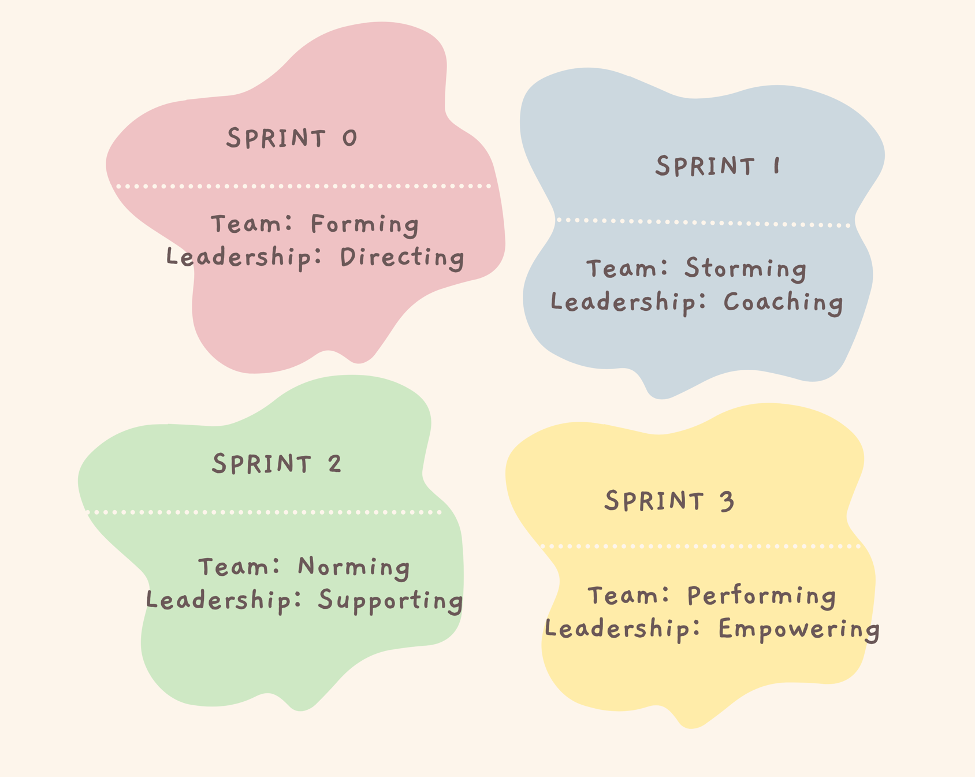
External Factor: Customer Responsible Feedback
Another gap in Agile adoption is passive customer feedback. Customers often attend sprint reviews but only observe product demos without actively validating value.
A mature Agile environment requires Customer Responsible Feedback. Customers should act as partners in value validation by providing clear feedback, evaluating whether increments deliver real business value, and sharing insights from actual usage.
This creates a continuous learning loop: Build → Evaluate → Learn → Improve.
Agile Transformation Requires System Alignment
Successful Agile transformation requires alignment across the system. From the top down, organizations need team-based performance evaluation. From the outside in, customers must actively participate in validating value.
When these elements align, Agile becomes more than a team practice—it becomes a system for continuous learning and value creation.

Related posts

New PMP Exam Goes Live in July 2026 – Why You Should Earn Your PMP® Before the New Exam Launches