

Updated PMP Exam: Key Changes Every PMP® Candidate Should Know
The updated PMP exam is now live. Discover the latest changes to the PMP® certification exam, including new domain weightings, question formats, eligibility requirements, training updates, and the application process.
The Updated PMP® Exam Is Here
PMI has officially launched the updated Project Management Professional (PMP®) certification exam.
Designed to reflect modern project leadership, the updated PMP® exam places greater emphasis on business value, strategic outcomes, and the skills professionals need to lead projects in today’s evolving business environment.
The latest update introduces changes across the exam blueprint, question formats, eligibility requirements, training pathways, and the application process—ensuring the PMP® certification continues to align with the changing needs of organizations worldwide.
If you’re planning to earn your PMP® certification, here’s everything you need to know.
What’s New in the Updated PMP Exam?
Updated Exam Domain Weightings
The PMP® exam has been rebalanced to better reflect leadership, technical expertise, and strategic thinking.
Domain | Previous Exam | Updated Exam |
People | 42% | 33% |
Process | 50% | 41% |
Business Environment | 8% | 26% |
The updated weighting reflects PMI’s increased emphasis on business value and strategic outcomes while maintaining the three-domain exam structure.
New Interactive Question Formats
The previous PMP® exam consisted of multiple-choice and multiple-response questions only.
The updated exam introduces additional interactive question formats, including:
- Case/scenario-based questions
- Graphic-based items
- Enhanced matching questions
- Point-and-click questions
These question formats assess candidates’ ability to apply project management knowledge and exercise judgment in realistic project situations.
AI and Sustainability in the Updated PMP® Exam
The updated PMP® exam also brings Artificial Intelligence (AI) and sustainability into the conversation, reflecting how today’s project managers work in an evolving business environment.
PMP® Exam Structure
The overall structure of the exam remains largely unchanged.
Candidates can expect:
- 180 total questions
- 170 scored questions
- 10 unscored pretest questions
PMI® has also introduced additional break time, increasing the overall exam session by approximately 10 minutes.
Updated PMP® Eligibility Requirements
PMI® has revised the PMP® eligibility requirements to better align educational pathways across different countries and regions.
Key updates include:
- Recognition of vocational and trade school education mapped to EQF Level 5
- Project management experience requirements remain 3–5 years, depending on educational background
- The experience look-back period has been extended from 8 years to 10 years
- Global education equivalency levels are now defined using EQF and ISCED
- Active CAPM® certification holders continue to receive a waiver for the required 35 hours of project management education
These updates provide greater clarity for candidates from diverse educational backgrounds.
Changes to PMP® Training Requirements
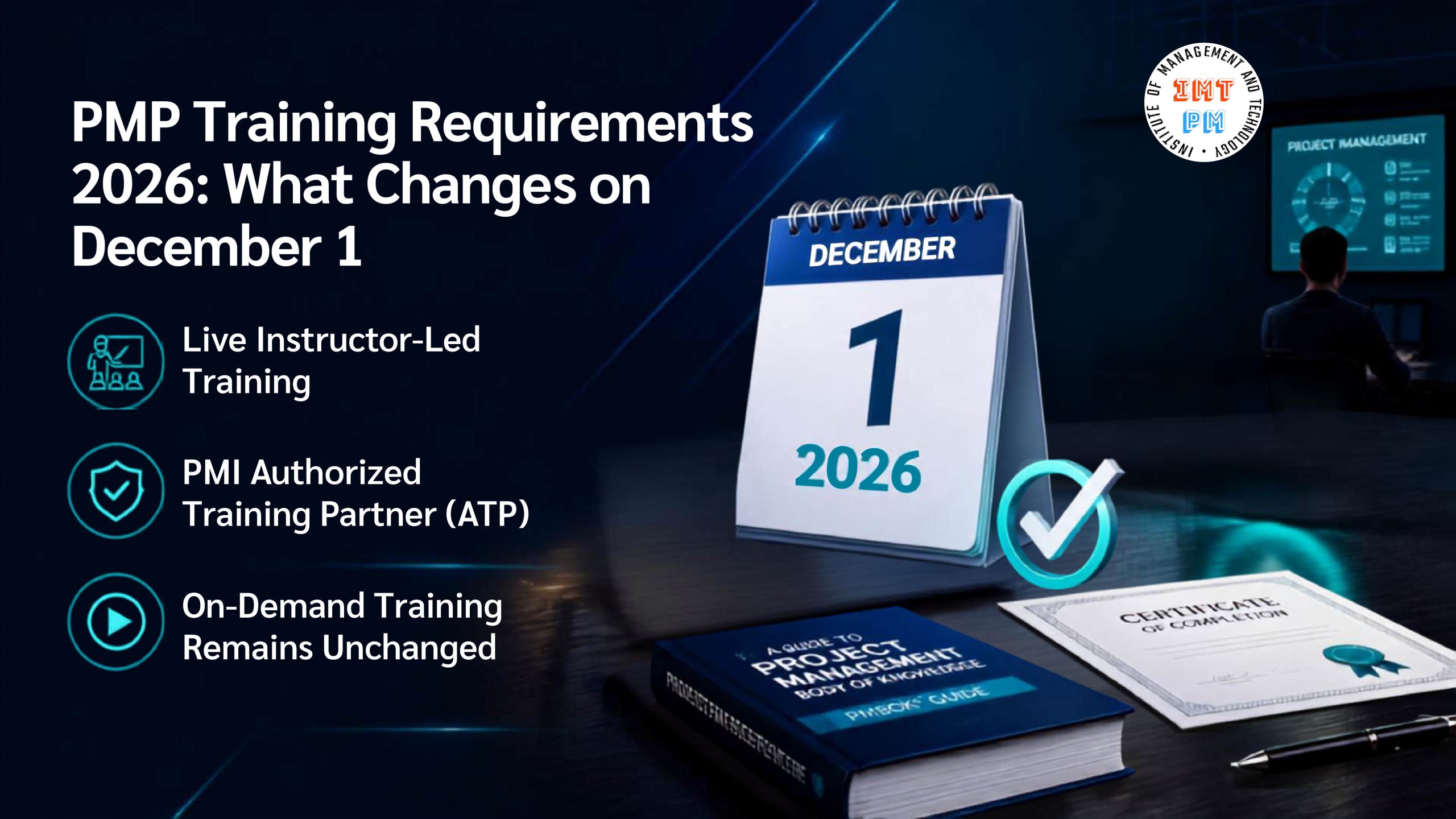
PMI® has also announced an upcoming update to the required training hours for PMP® certification, planned to take effect in late Q4 2026.
To apply for the PMP® exam, candidates must complete 35 hours of project management training, either through live instructor-led training or on-demand learning.
Beginning in late Q4 2026, live training hours will only be eligible if the course is delivered by one of the following:
- PMI Authorized Training Partner (ATP)
- China Registered Education Provider (REP)
- An accredited academic program, including PMI Global Accreditation Center (GAC) accredited programs
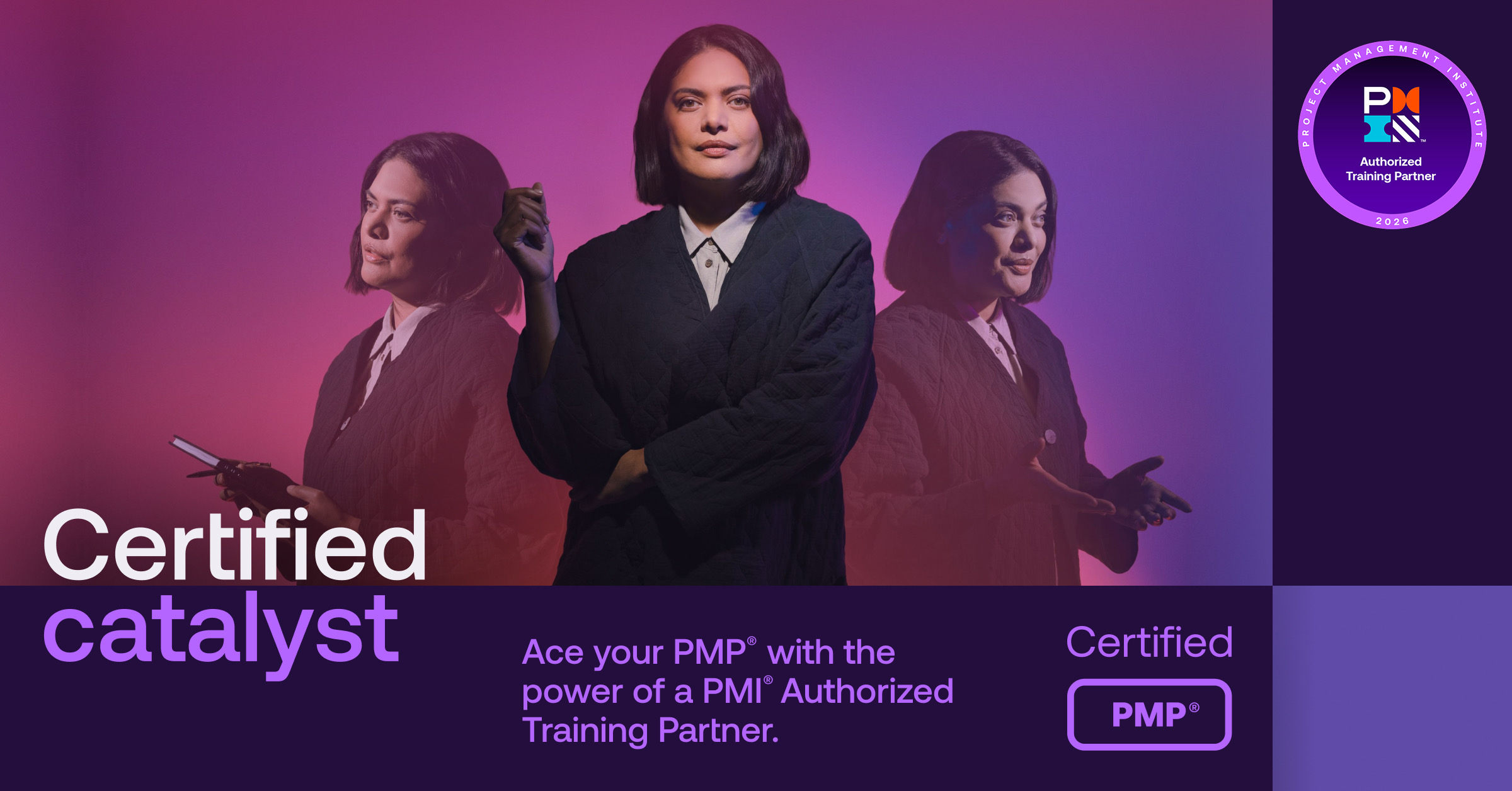
According to PMI, this change is intended to support the quality and consistency of live training worldwide while positioning Authorized Training Partners as an approved pathway for growing learner demand.
Application Process Updates
PMI has introduced several enhancements to simplify the PMP application experience.
These include:
- Automatic population of ATP and PMI course completion data
- A pre-application eligibility checklist
- Identity verification
- Availability of the application, exam, and most preparation products in more than 15 languages
These improvements are intended to help candidates complete the application process more efficiently.
What Has Stayed the Same?
While the updated PMP exam introduces several important changes, many core elements remain unchanged.
These include:
- 180 exam questions
- The three-domain exam structure:
- People
- Process
- Business Environment
- The certification continues to require the same core project leadership experience
What Do These Changes Mean for PMP Candidates?
The updated PMP exam reflects the evolving role of project professionals and the increasing importance of delivering business value.
Candidates preparing for the PMP certification should become familiar with the revised exam blueprint, new interactive question formats, updated eligibility pathways, and upcoming training requirements.
Reviewing the latest exam updates before starting your preparation can help ensure you’re studying the right content and meeting the most current PMP certification requirements.
Conclusion
The updated PMP® exam represents the latest evolution of PMI’s flagship project management certification.
With changes to the exam blueprint, question formats, eligibility requirements, training pathways, and the application process, the updated exam is designed to better reflect today’s project leadership landscape.
Whether you’re preparing to take the PMP® exam now or planning your certification journey in the future, understanding these updates is an important first step toward successful exam preparation.

Related posts
Agile Practice Guide Second Edition: What’s New in PMI’s Latest Guide?